Halo Spartan Strike Story: The Untold Chapter of the Spartan-IV Program
🎮 Dive into the exclusive, action-packed narrative of Halo Spartan Strike, a hidden gem that bridges crucial events between Halo 4 and Halo 5: Guardians. Discover classified operations, secret ONI missions, and the untold sacrifices of Spartan-IVs.
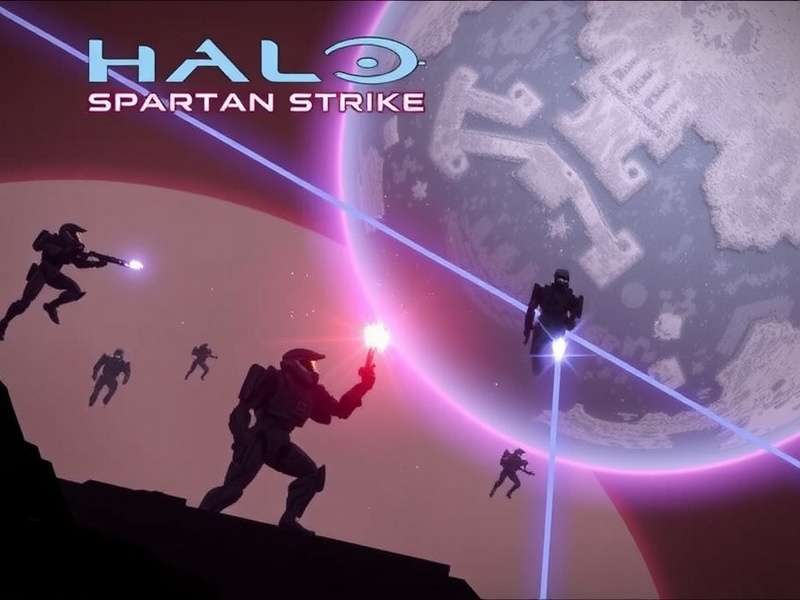
💡 Pro Tip: To fully appreciate the story, understand when Halo Spartan Strike takes place in the broader Halo timeline. This context is crucial for connecting narrative dots.
Story Overview: A Covert ONI Operation
Halo Spartan Strike, developed by 343 Industries and Vanguard Games, presents a compelling top-down shooter experience, but its narrative depth often goes underappreciated. The game places you in the cybernetic boots of a Spartan-IV super-soldier, undertaking a series of covert missions for the Office of Naval Intelligence (ONI).
The year is 2552, during the events of the Covenant War's final days, and later in 2557, post-war. Your missions span two distinct periods, creating a unique narrative structure. You're deployed to the Etran Harborage, a Forerunner shield world, and later to the devastated city of New Mombasa. The dual-timeline approach isn't just a gameplay gimmick; it's a deliberate narrative choice that reveals how past events shape future conflicts.
The story is delivered through mission briefings, in-game dialogue, and data logs. While the presentation is minimalist compared to mainline titles, the writing carries significant weight, expanding our understanding of the Spartan-IV program's early deployments and ONI's morally ambiguous operations.
Timeline & Narrative Context
Dual Timelines: 2552 vs. 2557
The story cleverly interweaves two timelines. The first set of missions occurs in 2552, concurrent with the events of Halo 2. You're sent to the Forerunner shield world, Etran Harborage, to secure Forerunner artifacts and disrupt Covenant operations. This timeline connects directly to the Halo Spartan Strike wiki entries about the Covenant's secret research.
The second timeline jumps to 2557, several years after the Human-Covenant War. Here, you're deployed to New Mombasa, a city still reeling from the war's devastation. Your mission: contain a sudden, violent outbreak of the Flood and prevent a catastrophic bioweapon scenario. This post-war setting explores the unstable peace and the emerging threats in a galaxy without the Covenant's unifying (though hostile) presence.
Connecting to the Larger Halo Saga
Spartan Strike is not an isolated side-story. It fills narrative gaps between major titles. The 2552 missions show ONI's early interest in Forerunner technology, setting the stage for Dr. Catherine Halsey's later research. The 2557 missions directly reference the rising tensions that lead to the creation of the Spartan-IV program's full fireteams, as seen in Halo 4's Spartan Ops and Halo 5.
For Spanish-speaking fans looking to connect gameplay to story, the Halo Spartan Strike Gameplay Español resource provides crucial insights into mission objectives and enemy behaviors that tie into narrative beats.
Mission Breakdown: Story Through Action
Etran Harborage Campaign (2552)
The first five missions take place on the Forerunner shield world. Your objectives seem straightforward: infiltrate, gather intelligence, and eliminate high-value targets. However, as you progress, the narrative reveals a deeper layer. The Covenant isn't just occupying the site; they're attempting to activate a Forerunner device that could scuttle the UNSC's war efforts. The discovery of Flood containment facilities adds a chilling dimension, hinting at the Covenant's dangerous ignorance of the galaxy's most lethal threat.
New Mombasa Outbreak (2557)
Returning to a familiar location for Halo veterans, New Mombasa is now a quarantine zone. The Flood outbreak is traced back to a crashed Covenant carrier whose wreckage was improperly sanitized. This story arc is a grim reminder that the war's end didn't eliminate its dangers. The missions here are tense, focused on containment and civilian evacuation. The narrative emphasizes the Spartan-IV's role as protectors, not just soldiers, showcasing their integration into post-war security forces.
For players experiencing this on PC, understanding the Halo Spartan Strike Windows and Halo Spartan Strike Windows 10 specific features can enhance the storytelling through superior visuals and smoother gameplay, allowing the atmospheric details of New Mombasa's ruins to fully immerse you in the narrative.
Characters, Factions & Hidden Agendas
The Silent Protagonist: You, the Spartan-IV
Unlike Master Chief or Noble Six, your Spartan in Spartan Strike is a blank slate. This design choice is intentional. You represent the faceless, countless Spartans who undertake dangerous missions without recognition. Your orders come from ONI, and your compliance is absolute. This anonymity reinforces the theme of the Spartan as a tool of the military apparatus, a theme explored more critically in later Halo media.
ONI: The Puppet Masters
The Office of Naval Intelligence is the true "character" driving the story. Their briefings are clinical, focused on objectives and asset denial. The subtext, however, reveals their paranoia and relentless pursuit of advantage. The 2557 missions, in particular, suggest ONI may have known about the Flood contamination risk in New Mombasa but prioritized other intelligence goals, leading to the outbreak. This moral complexity adds depth to the UNSC's portrayal.
Covenant Remnants & The Flood
The enemy factions are not mere targets. The Covenant forces in 2552 are desperate, trying to unlock Forerunner secrets to turn the tide of a war they're losing. In 2557, you face both disorganized Covenant remnants and the ever-terrifying Flood. The narrative treats the Flood with appropriate horror, presenting them as an existential threat that transcends factional conflicts.
Deep Lore Analysis: What the Story Really Means
The Spartan-IV Program's Trial By Fire
Spartan Strike serves as a narrative proving ground for the Spartan-IV concept. These are not childhood conscripts like the Spartan-IIs, but adult volunteers enhanced with less invasive procedures. The story tests their effectiveness in varied combat scenarios—from Forerunner architecture to urban close-quarters. Their success justifies the program's expansion, as seen in Halo 4.
Forerunner Technology: Blessing or Curse?
The Etran Harborage missions continue Halo's central theme: Forerunner technology is powerful but perilous. Both humans and Covenant seek to wield it, but neither fully understands it. The story suggests the shield world was designed as a Flood containment measure, a fact both sides ignore in their quest for weaponization. This hubris is a classic Halo narrative element.
The Cost of Victory
New Mombasa's portrayal is haunting. This is a city that survived the Covenant invasion only to be threatened by a residual bioweapon. The story doesn't shy away from showing the human cost—evacuation centers, overwhelmed medical teams, and the Spartan's role in making brutal triage decisions. It's a sobering look at the war's long tail.
To visualize the world your Spartan operates in, fans have created stunning Halo Spartan Strike Live Wallpaper collections that capture the game's distinct aesthetic, from the gleaming Forerunner interiors to the rain-slicked streets of New Mombasa.
Community Intel: Rate & Discuss the Story
Your analysis matters! Share your thoughts on the narrative, rate its effectiveness, and discuss with other operatives.