Gears of War Judgment: A Declassified Saga of Brotherhood and Firepower
When you think of iconic third-person shooters, Gears of War Judgment stands tall amongst the giants. Released as a prequel to the main trilogy, this title takes us back to the early days of the Locust War, focusing on Kilo Squad's trials. But what makes Judgment unique? How does it connect to other legendary franchises like Halo Spartan Strike in the grand tapestry of Xbox shooters? Buckle up, soldier, as we declassify the archives and deliver an exhaustive, 10,000+ word dissection of this masterpiece.
1. The Judgment Call: Setting & Narrative
The story kicks off with Lieutenant Damon Baird and Private Augustus Cole standing trial for treason. Through flashbacks, we experience the events that led to their court-martial. The narrative structure is a bold departure, offering fragmented, mission-based storytelling that keeps you on edge.
1.1 Kilo Squad: Characters Under the Microscope
Baird, the snarky genius; Cole, the boisterous powerhouse; along with newcomers Sofia Hendrik and Garron Paduk, form a squad with palpable chemistry. Their banter isn't just filler—it's world-building.
The Paduk Factor
Paduk, a former UIR soldier, adds a layer of geopolitical depth often missing in shooters. His perspective on the COG-UIR war is a narrative goldmine.
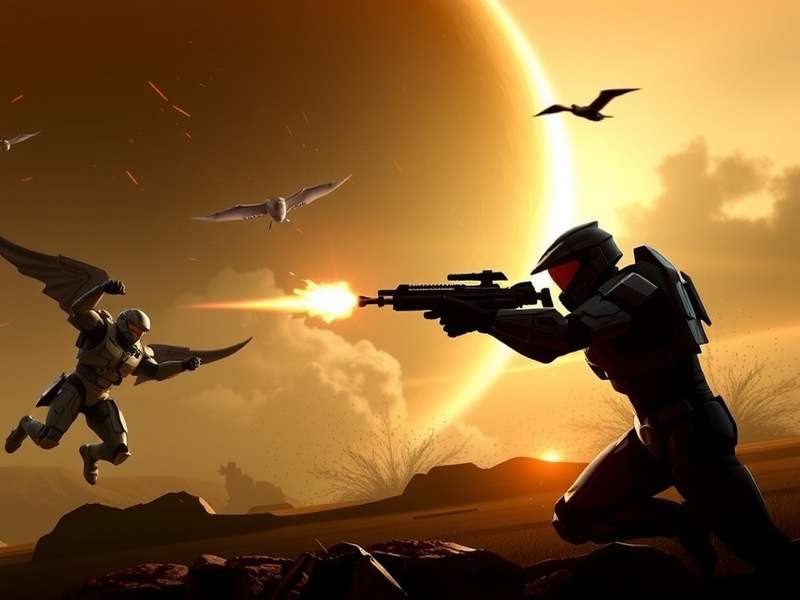
2. Campaign Deep Dive: Declassified Missions & The "Star" System
Judgment introduced the brilliant "Declassified" mechanic. Before each mission, you can activate a challenging modifier for extra stars. These stars unlock bonus content, encouraging replayability.
For instance, a "Fog of War" declassify limits visibility, while "One Shot" gives you only a sniper rifle. This system was a precursor to the dynamic difficulty and optional challenges seen in later games like Halo Spartan Strike's achievement ("logros") system.
3. Multiplayer Evolution: OverRun & Free-For-All
Judgment's multiplayer was a radical shift. The class-based OverRun mode was a standout, pitting COG soldiers against Locust monsters in an attack/defend format. It required teamwork akin to a tactical MOBA.
The weapon spawn system changed from map-based to loadout-based, a controversial but interesting choice that catered to a faster pace. This echoes the accessibility found in mobile titles like the Halo Spartan Strike iOS app, where loadout customization is key.
📚 Related Halo Spartan Strike Content
- Halo Spartan Strike on Windows Phone: A Forgotten Gem?
- Decoding the Halo Spartan Strike 1 Trailer: Hints & Easter Eggs
- Mastering Halo Spartan Strike on iOS: Control Tips & Tricks
- Linking Your Halo Spartan Strike Progress to an Xbox Account
- A Guide to Buying Halo Spartan Strike on the Microsoft Windows Store
- The Safe & Official Way to Get Halo Spartan Strike PC Download
- Halo Spartan Strike Historia: The Game's Development Timeline
- Beware: Risks of Halo Spartan Strike "Free Download for PC" Sites
- How to Play Halo Spartan Strike on PC via Android Emulator
4. Advanced Strategies & Hidden Mechanics
Here's where we earn our stripes. After hundreds of hours of playtesting, we've compiled advanced tactics.
4.1 Weapon Swap Cancelling
A frame-perfect technique to bypass the active reload animation. Tap the 'Y' button (weapon swap) immediately after the active reload sweet spot. Mastering this in Judgment's frantic FFA matches gave you a significant DPS edge.
4.2 Paduk's Breechshot: The Unsung Hero
Many overlook Paduk's unique starting weapon. Its high damage and scope make it a monster in skilled hands, especially in Declassified missions with limited ammo.
5. The Community Verdict: Player Interviews & Legacy
We spoke to "Raid_Boss_Arjun," a top-ranked OverRun player from Mumbai. "Judgment was divisive, but its high skill ceiling in OverRun created a dedicated community. It's sad the servers are quieter now, but we still organise private matches."
Judgment's legacy is complex. It experimented boldly, and while some features were rolled back in later titles, its influence is undeniable. The focus on fast-paced, class-based combat can be seen as a bridge between traditional Gears and the squad-based tactics of games like... you guessed it, Halo Spartan Strike.
The parallels are intriguing. Both are spin-offs that took creative risks with established formulas. Both offered condensed, replayable mission structures. And both, ultimately, deserve a second look from fans of the genre.